


How To Become A Zoo Keeper?
페이지 정보

본문
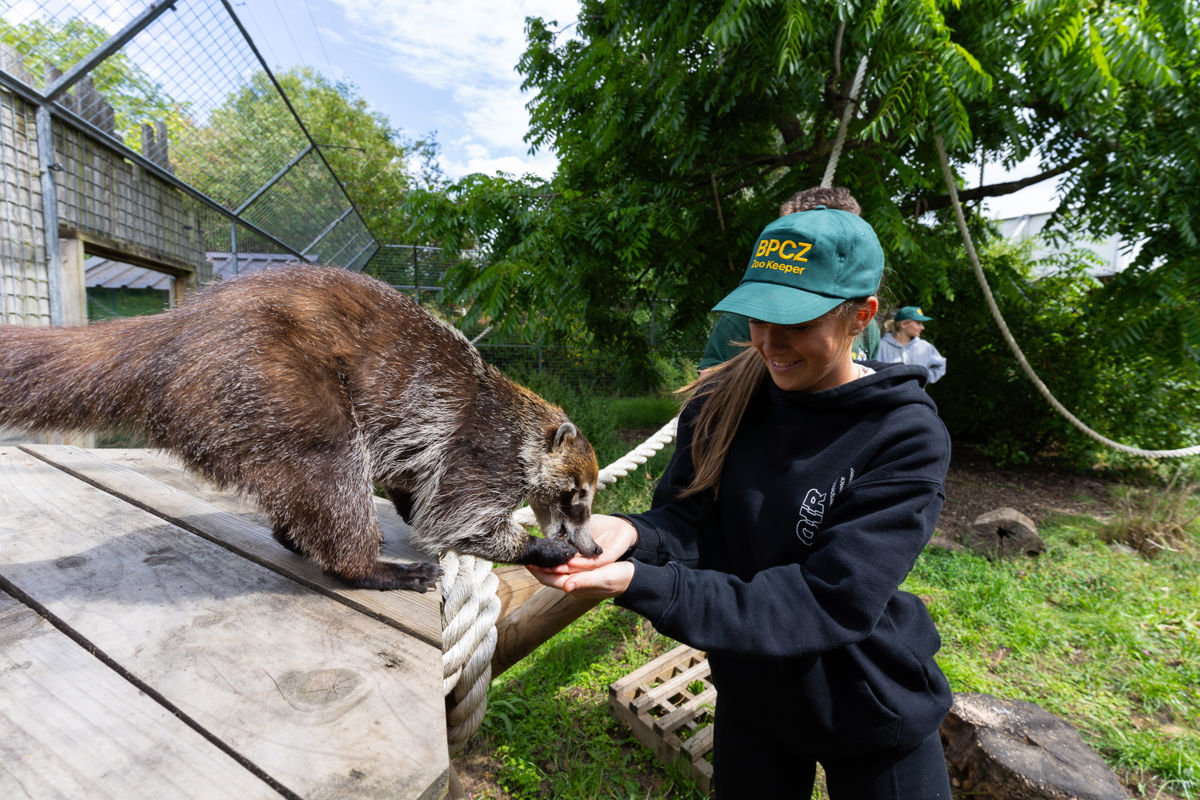
"The achievement of a country and its moral progress can be evaluated by the way its animals are dealt with." - Mahatma Gandhi
Do you like animals and dream of working in a zoo? Zoo keepers are key in protecting wildlife and taking care of animals. At locations like the Zoological Society of London (ZSL), over 20,000 animals get the care they need from professionals.
To become a zoo keeper, you need effort, education, and a love for animals. This task is exciting, letting you deal with numerous species and assist with essential preservation work. If you're into wildlife or animal welfare, zookeeping might be ideal for you.
Starting your zoo keeper profession implies discovering what's needed. This guide will cover education, experience, and more. It's all you require to understand to start a satisfying zookeeping profession.
Understanding the Role of a Zookeeper
Exploring what a zookeeper does reveals a function full of difficulties and rewards. They concentrate on animal welfare and preservation. Zookeepers work hard to keep animals healthy and pleased in their care.
Daily Responsibilities and Tasks
A zookeeper's day is filled with important tasks:
- Preparing meals that fulfill each animal's dietary needs
- Cleaning enclosures to keep them tidy and safe
- Watching over animal health and behaviour
- Offering medications and treatments as needed
- Developing activities to keep animals mentally sharp
Working Environment and Conditions
Zookeepers work outside in all sort of weather. They manage both indoor and outdoor spaces. The task needs being healthy and able to deal with the demands of looking after animals.
"Being a zookeeper is more than a task - it's an enthusiastic dedication to animal care and preservation."
Kinds of Animals and Specialisations
Zookeepers can specialise in numerous animal groups:
- Primates
- Big cats
- Marine mammals
- Reptiles
- Birds
Your function might include working with 2-5 different animal species. This requires a lot of understanding and the ability to adapt.
Vital Skills and Personal Qualities for Zoo Keeping
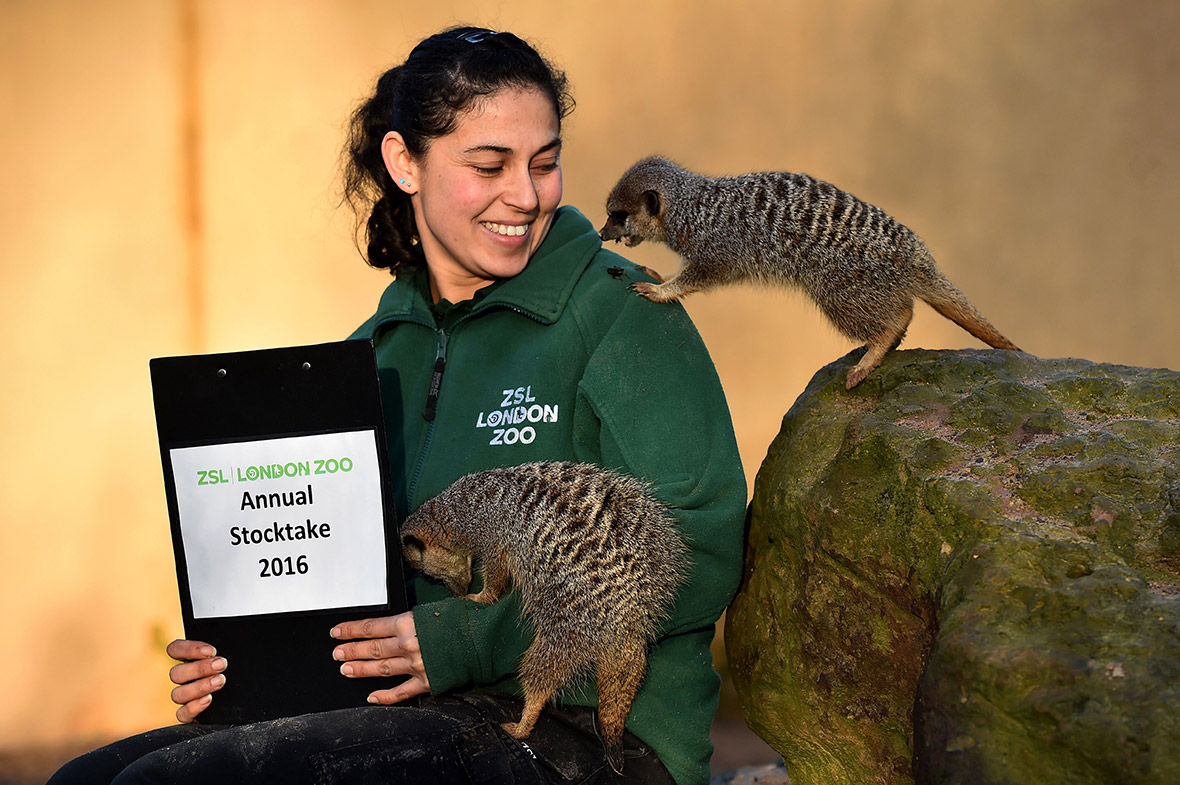
To be a top zookeeper, you require more than simply a love for animals. Your task will be difficult and require you to manage animals and individuals well. You'll also require to comprehend animal behaviour.
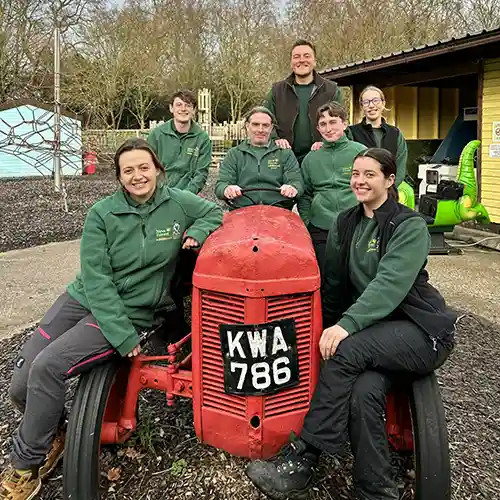
What zoos search for in people includes:
- Exceptional persistence and emotional strength
- Strong physical conditioning and stamina
- Keen observation abilities
- Capability to stay calm under pressure
- High level of compassion towards animals
Getting hands-on experience is crucial to mastering this function. You'll need to reveal:
- Advanced understanding of animal care methods
- Proficiency in animal handling and safety procedures
- Efficient interaction with both animals and human visitors
"An excellent zookeeper links science, empathy, and conservation in every interaction with animals."
You must understand about animal nutrition, behaviour, and fundamental vet care. The majority of zookeepers learn through training, offering, and continuous learning.
Zookeeper work is not just a job. It's a huge commitment to teaching about wildlife and assisting conservation. Your enthusiasm and hard work will make you stick out in this satisfying profession.
How to Become a Zoo Keeper
Beginning a career as a zookeeper requires mindful preparation and education. You must first comprehend the instructional needs and training courses. These will turn your love for animals into a task.
.jpg)
Educational Requirements
To be a terrific zookeeper, you require a strong scholastic base. Most jobs search for specific credentials:
- At least 5 GCSEs at grade 4 or above, consisting of English, maths, and science
- A levels or higher education certifications
- A college degree in biology or animal science
- Level 3 Diploma in Animal Management
Necessary Certifications
Getting unique accreditations can really help you in your zookeeper career. Important ones consist of:
- Diploma in Management of Zoo and Aquarium Animals (DMZAA)
- Zookeeping Level 3 Diploma (RQF)
- Animal managing certificates
- First aid certifications
Training Programs and Apprenticeships
Getting hands-on experience is type in zookeeper training. Many locations use terrific possibilities:
- Unpaid apprenticeships at wildlife parks
- Internship programmes at widely known zoos
- Practical training at locations like and Dartmoor Zoo
- Volunteering to acquire real-world skills
Pro tip: Create an in-depth portfolio to reveal your animal care abilities. It will assist you in job applications.
Structure Relevant Experience in Animal Care
Gaining hands-on experience is key for those wanting to be zookeepers. The job is extremely competitive. So, it's important to start developing a strong base in animal care.
Your journey starts with finding ways to work directly with animals. This is a strategic step.
"Experience is the best teacher in animal care" - Wildlife Conservation Experts
Here work methods to gain experience working with animals:
- Volunteer at regional animal shelters to develop basic animal managing skills
- Seek internships at wildlife rehab centres
- Check out part-time positions at veterinary clinics
- Contact your local zoo for possible volunteer chances
Volunteering is an excellent way to learn more about animal behaviour and care. Many zoos and animal shelters are trying to find individuals who want to discover. These places use terrific opportunities to get hands-on experience and show your devotion to animal welfare.
Here are some ideas to take advantage of your experience:
- Keep a record of your skills and interactions
- Connect with professionals in animal care
- Request recommendations and recommendation letters
- Stay persistent and show your true passion
Remember, practical experience makes you stand apart in the zookeeping world. Whenever you deal with animals, you discover more. This increases your opportunities of getting a job in animal care.
Career Pathways and Professional Development
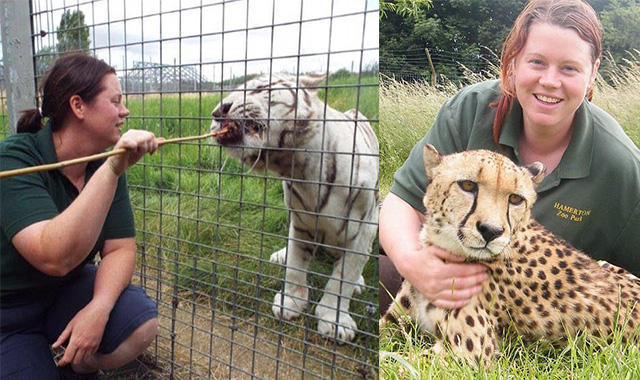
Beginning a profession as a zookeeper is interesting. It provides lots of possibilities to grow and specialise. Your journey starts with comprehending the different paths in this field.
Entry-Level Positions
Entry-level tasks in zookeeping are a terrific start. They provide you hands-on experience. Zoos search for candidates with:
- Level 2 Diploma in Animal Care (minimum credentials)
- GCSEs in English and a scientific subject
- Volunteer experience at animal shelters or farms
Career Progression Opportunities
As you acquire experience, your career can grow. You can go up to:
- Junior Keeper
- Senior Keeper
- Group Leader
- Specialist Roles
"Continuous learning and useful experience are essential to advancing in your zookeeping career."
Specialised Roles
You can likewise pick unique areas like:
- Conservation reproducing programmes
- Animal training
- Wildlife research
- Educational outreach
About 25% of zookeepers get advanced degrees in zoology or animal conservation. Getting Level 4 credentials can improve your opportunities for senior roles and research study.
Working Hours and Physical Demands
Ending up being a zookeeper suggests you'll work more than just routine hours. You'll face hard physical obstacles and require to be versatile, consisting of weekends and holidays. Zoos are open every day, so you'll frequently work when others unwind.
"Zoo keeping is not a normal 9-to-5 task-- it's a way of life of devoted animal care and commitment."
This job is physically demanding. You'll work outside in any weather, lifting heavy products over 50 pounds. Your tasks may consist of:
- Early morning feeding schedules
- Cleaning animal enclosures
- Preparing specialised diets
- Conducting medical examination
- Preserving intricate environments
Shifts can begin as early as 5 AM and go late into the night. You'll be on your feet most of the time, moving between animal zones. Weekends and holidays become part of the task, requiring great deals of endurance and devotion.
Regardless of the difficulties, this task has terrific rewards. You'll grow strong, both physically and zookeeper emotionally. You'll also make amazing connections with extraordinary animals.
Health and Safety Considerations
Being a zookeeper features its own set of challenges. It's important to understand how to keep both animals and personnel safe. This suggests following strict health and wellness guidelines.
Zookeepers deal with a distinct environment where safety is key. Research studies show that health and wellness are now as crucial as the zoo's primary work.
Risk Management Strategies
There are a number of methods to handle dangers in zoos:
- Daily checks of animal enclosures for threats
- Counting animals at the start and end of shifts
- Watching how visitors act near animals
- Being ready for emergencies
Animal Handling Safety Protocols
Knowing which animals are most harmful is essential. Big animals like rhinos can be very risky. There have actually been cases where zookeepers got seriously injured.
Security isn't just about wearing equipment - it's about knowing animal behaviour and staying alert.
Individual Protective Equipment
Zookeepers need to wear the best equipment, including:
- Special gloves for dealing with animals
- Strong shoes for grip and safety
- Clothes that safeguards against germs
Getting vaccinated against diseases like hepatitis B and rabies is likewise essential. It assists keep zookeepers healthy in their tough job.
Salary Expectations and Job Market
Considering a profession in zoo keeping? It's essential to learn about wages and the task market. The field is growing, with more opportunities in the UK.
Let's look at what zoo keepers can earn at different stages:
- Entry-level zookeepers start at about ₤ 14,000 a year
- Certified ones make in between ₤ 16,000 and ₤ 22,000
- Senior zookeepers can earn approximately ₤ 30,000 or more
The job outlook for zoo keepers is good. The sector is expected to grow by 5% in the UK by 2029. This implies around 3,910 new jobs will be readily available.
"The Association of Zoos and Aquariums supports professional growth for zoo keepers," a report states.
Salaries differ based on numerous things:
- Experience level
- Expertise
- Where you work
- The zoo's size and type
While the pay may not be high, the happiness of dealing with animals is priceless. The average salary is around ₤ 17,000. However, overall profits can be in between ₤ 13,000 and ₤ 27,000 a year.
Conclusion
Beginning a career in animal care is an interesting journey. It requires devotion, passion, and a love for learning. With over 350 zoos and zookeeper wildlife places in the UK, there are lots of job chances. You'll get to work with fantastic animals and assist safeguard wildlife.

To be a zoo keeper, you need more than just love for animals. You need to have a mutual understanding of biology, be able to interact well, and constantly wish to learn more. You'll gain hands-on experience, learn about animal welfare, and develop a deep respect for nature. About 3,000 people in the UK have actually discovered satisfying careers in this field.
Your success in zoo keeping originates from blending science with a love for animals. Whether you're interested in mammals, birds, or marine life, this task lets you help with conservation. Every day will bring brand-new challenges and learning chances that will enhance your skills and knowledge.
If you like animals and wish to assist protect wildlife, zoo keeping might be for you. Take on the challenge, stay curious, and turn your enthusiasm for animals into a gratifying profession.
- 이전글Three Common Reasons Your Freestanding Electric Fireplace Isn't Working (And How To Fix It) 25.02.06
- 다음글15 Reasons Why You Shouldn't Ignore Key Fob Repair Service 25.02.06
댓글목록
등록된 댓글이 없습니다.