


7 Things You've Never Known About Upvc Door Locks Repair
페이지 정보

본문
Upvc Door Locks Repair
If your upvc lock feels stiff or jammed it could be due to debris and dirt building up inside the locking mechanism. Regular cleaning and lubrication is essential to avoid stiffness and ensure that the lock operates properly.
A professional locksmith can adjust the uPVC locking mechanism and tighten loose strike plates. They can also clean debris from the mechanism and lubricate it using special lubricants to lessen resistance when opening the door.
Misalignment
If doors aren't closing or locking properly, it could be the result of misalignment. This could be due to the door dropping over time or the expansion and contraction of the door due to the weather. It's a good thing that it's a straightforward fix for most uPVC door. A Locksmith can adjust the hinges to get the door back in its original position. This will make it easier for your lock mechanism to close.
Misaligned uPVC doors could put excessive pressure on the multipoint locking mechanism, which can cause it to fail or cease working. It is recommended to check the alignment of your uPVC door regularly. A quick inspection of the sash and frame with a spirit level can identify any issues that could cause problems. It is recommended that you do this once a year in order to keep your uPVC doors working properly.
Flag hinges are installed on the majority of upvc scratch door repair door frames. They can be used for two types of adjustment. One is for height, where you can move the hinge closer to or farther away from the door frame. The hinge can be adjusted in or out for compression or expansion of the door panel. The adjustment is easy to accomplish, but you'll need a spanner to work with certain hinge models.
It is also important to ensure that the miter joints on your uPVC frame and door are aligned. If the joints are out of alignment, it can create a gap, which would impact the sealing and insulation properties of the uPVC door.
It is often possible to fix minor alignment issues by removing the cover caps from the hinge and loosening the screw. With an Allen key to turn the hinge, you can rotate the hinge by a quarter of a turn - this will get your uPVC door to be positioned correctly.
It's also a good idea to use an oil-based silicone lubricant on your door hinges at least once a year. This will extend the lifespan of your uPVC door and reduce deterioration. This should be applied to the top and bottom of every hinge, as well as any other areas that receive a lot of friction.
Handle stuck or stiff
upvc door lock mechanism repair handles or levers can become stiff over time, especially in extreme weather conditions. This is because upvc doors and windows repairs near me can expand and contract during hot or warm weather, changing the position of the mechanism, and even the cylinder lock. If you attempt to force a malfunctioning door handle to open using a key can cause it to break, so it's vital that you seek professional help if your uPVC door lock becomes stiff or blocked.
The first thing you should check is whether the hinges have become looser over time, which can cause the door to lean, putting pressure on the locking mechanisms. This issue can be fixed by tightening up the hinges and the frame. It is also possible to replace the latch plate if it's unable to sit in a straight line against the strike plate.
Another reason that is often cited for a defective uPVC door lock is dirt and debris in the mechanism. Lever and handles that are dirty can cause the cylinder's to fail or stick. They can be cleared by using an allen key. A broken gearbox is a serious issue and should be taken care of by an experienced locksmith as soon as possible.
The cylinder lock might not turn after the key is inserted. This can be due to damage caused by a collision or a misguided installation. This can be rectified by a locksmith trained to fix the issue. will take the lock cylinder off and replace the internal components.
The uPVC handle may not be fitted correctly which causes the handles to be stiff or jammed. A trained locksmith can replace the levers or handles and ensure they're installed properly, restoring smooth operation and ensuring your home remains safe and secure.
It's important to perform regular maintenance on your uPVC door locks to ensure they are in good shape. Follow these steps to avoid minor issues from turning into major problems and to avoid costly repairs. A professional locksmith can assess your uPVC door and suggest improvements to improve security, function and durability.
Dropped door frame
When a upvc door frame is damaged, it can be difficult to lock and close the door. It's also potentially dangerous as it leaves your property exposed. It is crucial to seek professional advice as soon you notice an issue with your door's frame in order to prevent further damage or problems. Secure Solution Locksmiths will provide expert advice on choosing durable handles or levers for your door and ensure they are properly installed to ensure smooth operation of the uPVC door mechanism.
This kind of problem is often caused by a combination of factors. A door that has been opened or closed several times over the years could cause the frame to shift slightly at the corners. Fluctuations in temperature can also affect uPVC doors, which can cause them to expand in hot temperatures and shrink when cold. Wiping the door with a towel soaked in warm or cold water may help to combat these effects and return the door to its initial position.
The locking cylinder of uPVC is also prone to becoming brittle or sticky. This can be caused by debris lodged in the key hole, as well as a build up of dirt around the cylinder of the lock or the door frame. A professional locksmith will be able to remove any debris and clean the lock cylinder to fix the issue. It is recommended to lubricate the cylinder of your lock with graphite or light machine oil. This will stop the cylinder from becoming sticky or stiff and increase the security of your home.
It is important to address any issues you have you have with your uPVC door as soon as you notice them, because they can lead to further damage and leave you with an unusable door. To avoid more serious issues seek out a professional locksmith immediately if you spot a problem with your uPVC doors. Secure Solution Locksmiths can re-align your composite door, fix or replace the locks and replace the hinges if needed. They can also install anti snap, anti pick, and anti bump cylinders for your uPVC doors to provide them with the highest level security.
Mechanism for sticking
A locked uPVC door that is stuck could be more than a minor inconvenience. It could be a sign of other issues with the mechanism, such as misalignment or worn parts. A professional locksmith will be able to look for these issues and suggest solutions to ensure that the door is functioning in a proper manner.
uPVC door lock mechanisms can be affected by weather changes and can cause doors to expand or contract slightly. This can cause internal components to be under pressure, which makes them difficult to align and work efficiently. Furthermore, if the lock is not cleaned regularly, dirt and debris can build up in the mechanism, causing the smooth operation.
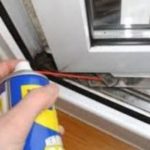
Many of these issues can be addressed by simple maintenance and lubrication. A silicone-based lubricant can reduce friction and allow the mechanism to run smoothly. A lubricant may be applied directly to the locking mechanism, or sprayed on the moving parts. It is important to use a lubricant that is specifically designed for uPVC door locks, as oil-based lubricants can attract more dirt and make the issue worse.
If the uPVC door lock is not working properly, it could be time to replace it. The first step is removing the lock that was previously installed from the door by removing it and then removing the screws. Then, you can insert the new lock into the door and secure it with the long screw you removed earlier. Make sure to duplicate the original securing method of the new lock and test it to ensure that it works smoothly.
In extreme circumstances in extreme cases, the uPVC lock mechanism can be completely frozen due to frost and freezing temperatures. Utilizing gentle heat from hairdryers can melt the mechanism, however it is crucial to take care not to cause excessive heat and damage to the door or its components.
 If the upvc door and window repairs near me; bbs.01bim.com, lock is stuck, it may be necessary to disassemble the handle and wiggle the mechanism out of the door. The process of changing the lock requires some basic tools, including tape measure, screwdriver and a mallet made of rubber. It is recommended to purchase a replacement from the same manufacturer of the original lock, because this will enable you to obtain an exact match for the size and dimensions of the lock.
If your upvc lock feels stiff or jammed it could be due to debris and dirt building up inside the locking mechanism. Regular cleaning and lubrication is essential to avoid stiffness and ensure that the lock operates properly.
A professional locksmith can adjust the uPVC locking mechanism and tighten loose strike plates. They can also clean debris from the mechanism and lubricate it using special lubricants to lessen resistance when opening the door.
Misalignment
If doors aren't closing or locking properly, it could be the result of misalignment. This could be due to the door dropping over time or the expansion and contraction of the door due to the weather. It's a good thing that it's a straightforward fix for most uPVC door. A Locksmith can adjust the hinges to get the door back in its original position. This will make it easier for your lock mechanism to close.
Misaligned uPVC doors could put excessive pressure on the multipoint locking mechanism, which can cause it to fail or cease working. It is recommended to check the alignment of your uPVC door regularly. A quick inspection of the sash and frame with a spirit level can identify any issues that could cause problems. It is recommended that you do this once a year in order to keep your uPVC doors working properly.
Flag hinges are installed on the majority of upvc scratch door repair door frames. They can be used for two types of adjustment. One is for height, where you can move the hinge closer to or farther away from the door frame. The hinge can be adjusted in or out for compression or expansion of the door panel. The adjustment is easy to accomplish, but you'll need a spanner to work with certain hinge models.
It is also important to ensure that the miter joints on your uPVC frame and door are aligned. If the joints are out of alignment, it can create a gap, which would impact the sealing and insulation properties of the uPVC door.
It is often possible to fix minor alignment issues by removing the cover caps from the hinge and loosening the screw. With an Allen key to turn the hinge, you can rotate the hinge by a quarter of a turn - this will get your uPVC door to be positioned correctly.
It's also a good idea to use an oil-based silicone lubricant on your door hinges at least once a year. This will extend the lifespan of your uPVC door and reduce deterioration. This should be applied to the top and bottom of every hinge, as well as any other areas that receive a lot of friction.
Handle stuck or stiff
upvc door lock mechanism repair handles or levers can become stiff over time, especially in extreme weather conditions. This is because upvc doors and windows repairs near me can expand and contract during hot or warm weather, changing the position of the mechanism, and even the cylinder lock. If you attempt to force a malfunctioning door handle to open using a key can cause it to break, so it's vital that you seek professional help if your uPVC door lock becomes stiff or blocked.
The first thing you should check is whether the hinges have become looser over time, which can cause the door to lean, putting pressure on the locking mechanisms. This issue can be fixed by tightening up the hinges and the frame. It is also possible to replace the latch plate if it's unable to sit in a straight line against the strike plate.
Another reason that is often cited for a defective uPVC door lock is dirt and debris in the mechanism. Lever and handles that are dirty can cause the cylinder's to fail or stick. They can be cleared by using an allen key. A broken gearbox is a serious issue and should be taken care of by an experienced locksmith as soon as possible.
The cylinder lock might not turn after the key is inserted. This can be due to damage caused by a collision or a misguided installation. This can be rectified by a locksmith trained to fix the issue. will take the lock cylinder off and replace the internal components.
The uPVC handle may not be fitted correctly which causes the handles to be stiff or jammed. A trained locksmith can replace the levers or handles and ensure they're installed properly, restoring smooth operation and ensuring your home remains safe and secure.
It's important to perform regular maintenance on your uPVC door locks to ensure they are in good shape. Follow these steps to avoid minor issues from turning into major problems and to avoid costly repairs. A professional locksmith can assess your uPVC door and suggest improvements to improve security, function and durability.
Dropped door frame
When a upvc door frame is damaged, it can be difficult to lock and close the door. It's also potentially dangerous as it leaves your property exposed. It is crucial to seek professional advice as soon you notice an issue with your door's frame in order to prevent further damage or problems. Secure Solution Locksmiths will provide expert advice on choosing durable handles or levers for your door and ensure they are properly installed to ensure smooth operation of the uPVC door mechanism.
This kind of problem is often caused by a combination of factors. A door that has been opened or closed several times over the years could cause the frame to shift slightly at the corners. Fluctuations in temperature can also affect uPVC doors, which can cause them to expand in hot temperatures and shrink when cold. Wiping the door with a towel soaked in warm or cold water may help to combat these effects and return the door to its initial position.
The locking cylinder of uPVC is also prone to becoming brittle or sticky. This can be caused by debris lodged in the key hole, as well as a build up of dirt around the cylinder of the lock or the door frame. A professional locksmith will be able to remove any debris and clean the lock cylinder to fix the issue. It is recommended to lubricate the cylinder of your lock with graphite or light machine oil. This will stop the cylinder from becoming sticky or stiff and increase the security of your home.
It is important to address any issues you have you have with your uPVC door as soon as you notice them, because they can lead to further damage and leave you with an unusable door. To avoid more serious issues seek out a professional locksmith immediately if you spot a problem with your uPVC doors. Secure Solution Locksmiths can re-align your composite door, fix or replace the locks and replace the hinges if needed. They can also install anti snap, anti pick, and anti bump cylinders for your uPVC doors to provide them with the highest level security.
Mechanism for sticking
A locked uPVC door that is stuck could be more than a minor inconvenience. It could be a sign of other issues with the mechanism, such as misalignment or worn parts. A professional locksmith will be able to look for these issues and suggest solutions to ensure that the door is functioning in a proper manner.
uPVC door lock mechanisms can be affected by weather changes and can cause doors to expand or contract slightly. This can cause internal components to be under pressure, which makes them difficult to align and work efficiently. Furthermore, if the lock is not cleaned regularly, dirt and debris can build up in the mechanism, causing the smooth operation.
Many of these issues can be addressed by simple maintenance and lubrication. A silicone-based lubricant can reduce friction and allow the mechanism to run smoothly. A lubricant may be applied directly to the locking mechanism, or sprayed on the moving parts. It is important to use a lubricant that is specifically designed for uPVC door locks, as oil-based lubricants can attract more dirt and make the issue worse.
If the uPVC door lock is not working properly, it could be time to replace it. The first step is removing the lock that was previously installed from the door by removing it and then removing the screws. Then, you can insert the new lock into the door and secure it with the long screw you removed earlier. Make sure to duplicate the original securing method of the new lock and test it to ensure that it works smoothly.
In extreme circumstances in extreme cases, the uPVC lock mechanism can be completely frozen due to frost and freezing temperatures. Utilizing gentle heat from hairdryers can melt the mechanism, however it is crucial to take care not to cause excessive heat and damage to the door or its components.
If the upvc door and window repairs near me; bbs.01bim.com, lock is stuck, it may be necessary to disassemble the handle and wiggle the mechanism out of the door. The process of changing the lock requires some basic tools, including tape measure, screwdriver and a mallet made of rubber. It is recommended to purchase a replacement from the same manufacturer of the original lock, because this will enable you to obtain an exact match for the size and dimensions of the lock.- 이전글10 Mobile Apps That Are The Best For Live Casino 25.02.06
- 다음글The Reason Behind In Wall Fireplace Is The Most Popular Topic In 2023 25.02.06
댓글목록
등록된 댓글이 없습니다.