


Pellet Stove Dealers Near Me Tips To Relax Your Daily Lifethe One Pell…
페이지 정보

본문
Pellet Stove Dealers Near Me
A pellet stove is a solid combustible tablets made from compressed sawdust and wood waste to provide heat to your home. Some models also burn biofuels, such as corn kernels and nutshells.
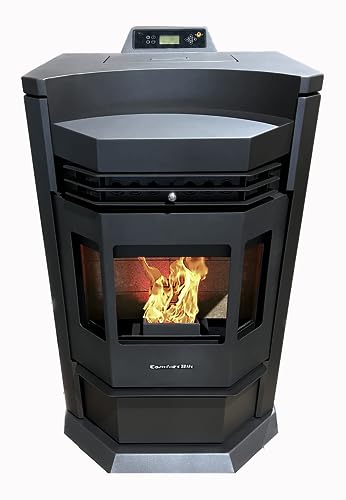 Pellet stoves don't have chimneys, and they require electricity to operate the auger that is used to feed the pellets into the flame. This is why some manufacturers offer backup batteries systems to ensure your stove will continue operating in an outage of power.
Freestanding Pellet Stoves
Freestanding pellet stoves are a popular choice for homeowners looking to add supplemental heat. They are suitable to heat a single room or several rooms and are easy to clean and use. The pellets used in these stoves are made from compressed sawdust like the food your pet rabbit eats. The hopper holds the pellets, and an electric auger feeds them into the firebox to spark them. The wood pellets emit heat that is circulated by an air blower and spreads throughout the room. This type of heat is less expensive than gas furnaces or ductless mini split, and is more appealing than traditional wood stoves.
Pellet stoves can have a minimalist design that is less invasive than models that burn wood. They're also easier to maintain than fireplaces and often come with digital controls that make it easy to regulate the amount of heat produced. Certain models can even be connected to a thermostat and programmed which can help homeowners save money on heating costs.
When choosing a pellet stove, you should choose one that has been approved by the U.S. Environmental Protection Agency for efficiency and clean burning and also by a third-party organization like the small pellet stove Fuels Institute (PFI). You should look for the Underwriters Laboratories certification or Canadian ULC label that proves that the stove is safe to use.
You'll need an idea of what to do in the event of a power outage, as these appliances depend on electricity to perform their automated functions. Certain models, such as the Piazzetta Marcella 2.0, have backup batteries that keeps the fans and feeders in operation when the power is off.
Insert Pellet Stoves
Pellet stove inserts fit inside a fireplace to replace a traditional wood-burning fireplace. Like freestanding pellet stoves, they provide high efficiency and heating power. They also use renewable sources of energy instead of fossil gas or wood, and they don't emit any greenhouse gasses during combustion. Over time the savings in energy costs will increase. You may also be eligible for a 30% credit on the cost of your insert (up to $2,000 per year).
The primary difference between pellet and wood fireplace inserts is that they burn compressed, milled wood and pellet stove byproducts rather than seasoned wood. This allows them to burn more hot and faster than natural wood-burning fireplaces. This reduces emissions and enhances energy efficiency. They also use less fuel and produce less ash. They are also more convenient to use, thanks to auto-ignition and self-starting features that make lighting the fire easy. The fire is fed continuously from a hopper, so you don't have to manually feed it like you would with a wood burning fire.
However, fireplaces with pellets have a few drawbacks. For instance, they need adequate dry storage space for the pellet fuel. The automated features of these models are powered by electricity, therefore they could not be accessible during a power failure. Certain models also emit sound when they're operating and are suitable for a quiet house.
Custom Pellet Stoves
Pellet stoves are a cleaner, more efficient alternative to traditional wood stoves and wood fireplaces. They burn pellets made of compressed sawdust and other wood byproducts which are more sustainable than burning real wood. They also emit less pollution than wood stoves. Pellet stoves are becoming popular due to their low operating costs and easy to use. There are many options available, whether you want an electric heater for your basement or a brand new stove for your house.
If you are considering buying a pellet stove, seek out a dealer who has expertise in these hearth products. A reputable dealer will offer professional advice, help you install the stove correctly and will maintain it if required. A trained technician from the factory is an essential component of the process, and will assist you in understanding the specifics of your stove's operation and maintenance requirements.
The best stove for your space depends on the heating requirements you have and the dimensions of your home. It is generally recommended to select one that has the equivalent of 5,000 British Thermal Units (BTUs) or heating power, for each 200 square foot of living space. Also, you should consider the amount you're willing to pay for heating fuel and other sources in your home.
It's important to note that pellet stoves are designed to provide supplemental heating not as primary. They are not meant to replace furnaces and are not recommended for homes with insufficient insulation. They should only be installed in areas where there is enough access to an existing venting system. Pellet stoves also require electricity to run their automatic features, such as the pellet feeder and fan. If power is cut off the devices will run manually or with batteries backup systems.
Pellet Stove Repair
Pellet stoves require regular maintenance in order to run efficiently and safely. It's important to recognize indications that a stove may be experiencing issues in order to avoid costly repairs in the future. If the flame is moving in a trance, with black tips, it's likely that there is not enough air. This problem can be caused by dirty burners, a clogged auger, hopper or heat setting. In this instance it is recommended to seek out a professional in the field of fireplaces for help.
Professionals can assess the needs of pellet stoves and carry out the necessary maintenance at a cost of between $100-$150 per hour. This includes cleaning the stove, repairing or replacing the exhaust fan, and lubricating the moving parts. Repair costs may vary based on the nature of the issue. a certified technician should provide an estimate prior to completing work.
Soot or smoke coming out of the chimney, low heating, and a sluggish operating are all issues that require professional attention. A malfunctioning damper or blower can also cause these issues. A local fireplace technician can replace the blower for $275 - $440, or the damper for $380 - $550.
Auger motor failure is another common issue. This could be a problem since it affects the stove's ability to pump fuel into the burn pot. The auger motor can cost between $80 and $150 and a local fireplace specialist can take up to three hours to install. It is also a good idea to clean the firepot and hopper on a routine basis. Doing this can reduce the amount of ash that builds up on the glass door, and can block the view of the flame. For example a local technician for fireplaces can remove the burn-pot cover and use a specific brush to clean away the ash that has been accumulated.
Pellet Stove Installation
A pellet stove can be erected at a new residence or converted into a wood-burning fireplace insert. Installation prices vary by location, but start at $1,000 for freestanding models, and $3,000 to $5,000 for a wall-mounted unit. A venting system may add up to $1,200 to the cost, depending on whether it will be an ordinary horizontal vent or a ceiling vent that requires a chimney.
Pellet stoves have a variety of advantages that make them more convenient and economical than other heating methods. They use less fuel than gas or wood stoves and can be programmed to turn off and on automatically at specific times. They also let you select between low and high temperatures, making them more versatile than traditional wood stoves.
The type and size of the pellet stove you'll need is dependent on the amount of heat you need to generate for your home. As a rule of thumb you will require about 5 000 British Thermal Units (BTUs) to provide 200 square feet of living space. However, other factors such as insulation and climate may influence the calculation.
Think about how much fuel you'll need and where you intend to store it when shopping for an all-new pellet stoves on sale stove. A dealer can determine the number of BTUs you require by visiting your home and taking measurements. A professional will suggest an electric stove that can produce enough heat to your home based on the amount of living space you want to warm.
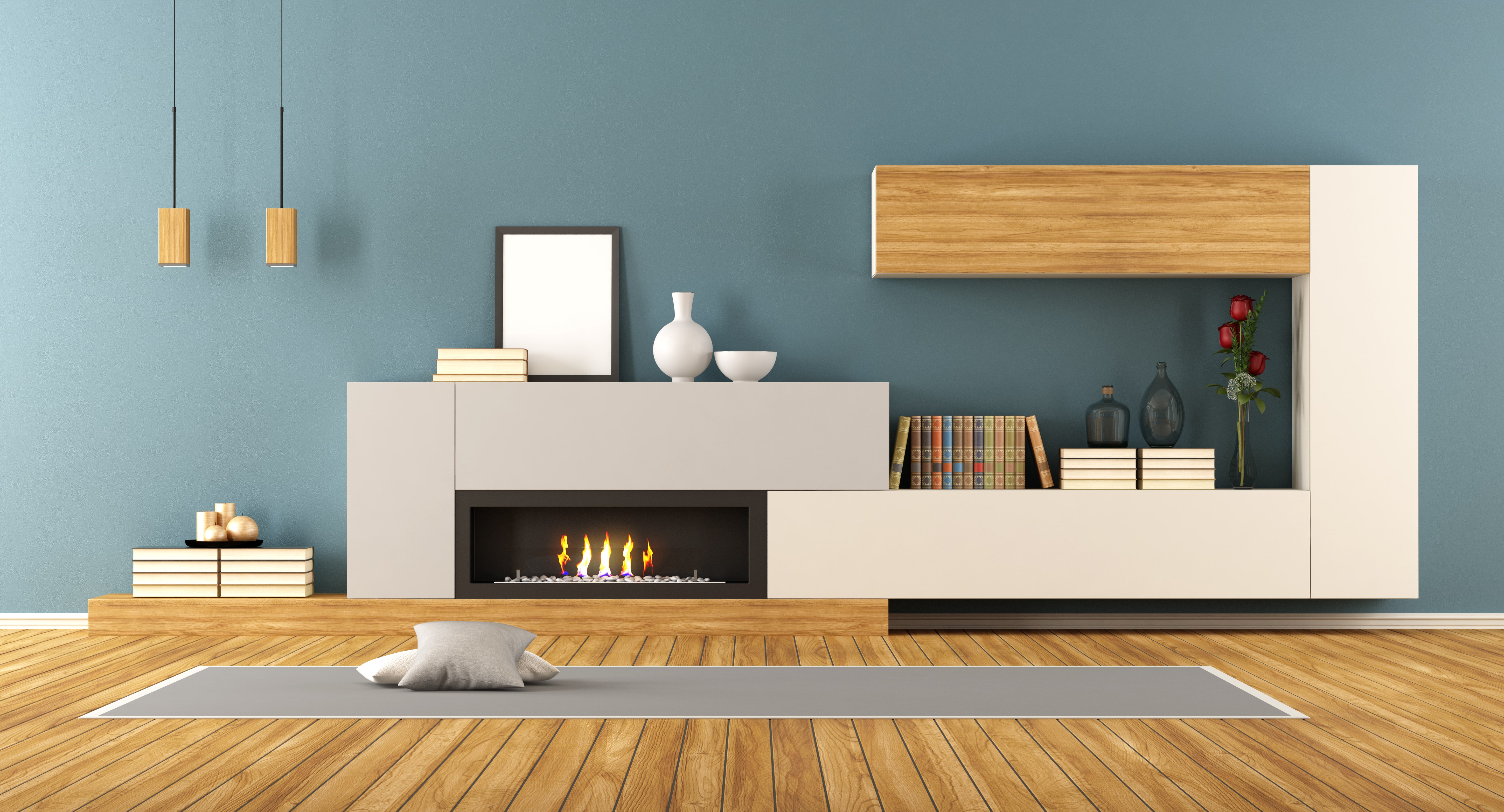 It is important to locate a pellet stove close to an outlet that can support 110 voltages. Installing a backup generator can permit you to keep your pellet stove running in the event of a power failure.
A pellet stove is a solid combustible tablets made from compressed sawdust and wood waste to provide heat to your home. Some models also burn biofuels, such as corn kernels and nutshells.
Pellet stoves don't have chimneys, and they require electricity to operate the auger that is used to feed the pellets into the flame. This is why some manufacturers offer backup batteries systems to ensure your stove will continue operating in an outage of power.Freestanding Pellet Stoves
Freestanding pellet stoves are a popular choice for homeowners looking to add supplemental heat. They are suitable to heat a single room or several rooms and are easy to clean and use. The pellets used in these stoves are made from compressed sawdust like the food your pet rabbit eats. The hopper holds the pellets, and an electric auger feeds them into the firebox to spark them. The wood pellets emit heat that is circulated by an air blower and spreads throughout the room. This type of heat is less expensive than gas furnaces or ductless mini split, and is more appealing than traditional wood stoves.
Pellet stoves can have a minimalist design that is less invasive than models that burn wood. They're also easier to maintain than fireplaces and often come with digital controls that make it easy to regulate the amount of heat produced. Certain models can even be connected to a thermostat and programmed which can help homeowners save money on heating costs.
When choosing a pellet stove, you should choose one that has been approved by the U.S. Environmental Protection Agency for efficiency and clean burning and also by a third-party organization like the small pellet stove Fuels Institute (PFI). You should look for the Underwriters Laboratories certification or Canadian ULC label that proves that the stove is safe to use.
You'll need an idea of what to do in the event of a power outage, as these appliances depend on electricity to perform their automated functions. Certain models, such as the Piazzetta Marcella 2.0, have backup batteries that keeps the fans and feeders in operation when the power is off.
Insert Pellet Stoves
Pellet stove inserts fit inside a fireplace to replace a traditional wood-burning fireplace. Like freestanding pellet stoves, they provide high efficiency and heating power. They also use renewable sources of energy instead of fossil gas or wood, and they don't emit any greenhouse gasses during combustion. Over time the savings in energy costs will increase. You may also be eligible for a 30% credit on the cost of your insert (up to $2,000 per year).
The primary difference between pellet and wood fireplace inserts is that they burn compressed, milled wood and pellet stove byproducts rather than seasoned wood. This allows them to burn more hot and faster than natural wood-burning fireplaces. This reduces emissions and enhances energy efficiency. They also use less fuel and produce less ash. They are also more convenient to use, thanks to auto-ignition and self-starting features that make lighting the fire easy. The fire is fed continuously from a hopper, so you don't have to manually feed it like you would with a wood burning fire.
However, fireplaces with pellets have a few drawbacks. For instance, they need adequate dry storage space for the pellet fuel. The automated features of these models are powered by electricity, therefore they could not be accessible during a power failure. Certain models also emit sound when they're operating and are suitable for a quiet house.
Custom Pellet Stoves
Pellet stoves are a cleaner, more efficient alternative to traditional wood stoves and wood fireplaces. They burn pellets made of compressed sawdust and other wood byproducts which are more sustainable than burning real wood. They also emit less pollution than wood stoves. Pellet stoves are becoming popular due to their low operating costs and easy to use. There are many options available, whether you want an electric heater for your basement or a brand new stove for your house.
If you are considering buying a pellet stove, seek out a dealer who has expertise in these hearth products. A reputable dealer will offer professional advice, help you install the stove correctly and will maintain it if required. A trained technician from the factory is an essential component of the process, and will assist you in understanding the specifics of your stove's operation and maintenance requirements.
The best stove for your space depends on the heating requirements you have and the dimensions of your home. It is generally recommended to select one that has the equivalent of 5,000 British Thermal Units (BTUs) or heating power, for each 200 square foot of living space. Also, you should consider the amount you're willing to pay for heating fuel and other sources in your home.
It's important to note that pellet stoves are designed to provide supplemental heating not as primary. They are not meant to replace furnaces and are not recommended for homes with insufficient insulation. They should only be installed in areas where there is enough access to an existing venting system. Pellet stoves also require electricity to run their automatic features, such as the pellet feeder and fan. If power is cut off the devices will run manually or with batteries backup systems.
Pellet Stove Repair
Pellet stoves require regular maintenance in order to run efficiently and safely. It's important to recognize indications that a stove may be experiencing issues in order to avoid costly repairs in the future. If the flame is moving in a trance, with black tips, it's likely that there is not enough air. This problem can be caused by dirty burners, a clogged auger, hopper or heat setting. In this instance it is recommended to seek out a professional in the field of fireplaces for help.
Professionals can assess the needs of pellet stoves and carry out the necessary maintenance at a cost of between $100-$150 per hour. This includes cleaning the stove, repairing or replacing the exhaust fan, and lubricating the moving parts. Repair costs may vary based on the nature of the issue. a certified technician should provide an estimate prior to completing work.
Soot or smoke coming out of the chimney, low heating, and a sluggish operating are all issues that require professional attention. A malfunctioning damper or blower can also cause these issues. A local fireplace technician can replace the blower for $275 - $440, or the damper for $380 - $550.
Auger motor failure is another common issue. This could be a problem since it affects the stove's ability to pump fuel into the burn pot. The auger motor can cost between $80 and $150 and a local fireplace specialist can take up to three hours to install. It is also a good idea to clean the firepot and hopper on a routine basis. Doing this can reduce the amount of ash that builds up on the glass door, and can block the view of the flame. For example a local technician for fireplaces can remove the burn-pot cover and use a specific brush to clean away the ash that has been accumulated.
Pellet Stove Installation
A pellet stove can be erected at a new residence or converted into a wood-burning fireplace insert. Installation prices vary by location, but start at $1,000 for freestanding models, and $3,000 to $5,000 for a wall-mounted unit. A venting system may add up to $1,200 to the cost, depending on whether it will be an ordinary horizontal vent or a ceiling vent that requires a chimney.
Pellet stoves have a variety of advantages that make them more convenient and economical than other heating methods. They use less fuel than gas or wood stoves and can be programmed to turn off and on automatically at specific times. They also let you select between low and high temperatures, making them more versatile than traditional wood stoves.
The type and size of the pellet stove you'll need is dependent on the amount of heat you need to generate for your home. As a rule of thumb you will require about 5 000 British Thermal Units (BTUs) to provide 200 square feet of living space. However, other factors such as insulation and climate may influence the calculation.
Think about how much fuel you'll need and where you intend to store it when shopping for an all-new pellet stoves on sale stove. A dealer can determine the number of BTUs you require by visiting your home and taking measurements. A professional will suggest an electric stove that can produce enough heat to your home based on the amount of living space you want to warm.
It is important to locate a pellet stove close to an outlet that can support 110 voltages. Installing a backup generator can permit you to keep your pellet stove running in the event of a power failure.- 이전글Top Accident Attorney Explained In Less Than 140 Characters 25.01.31
- 다음글5 Lessons You Can Learn From Truck Accidents Lawyers Near Me 25.01.31
댓글목록
등록된 댓글이 없습니다.